
How to Perform a Competitor Analysis using Web Scraping in 2026

Keeping a close eye on your competition has always been important in business. In 2026, it’s essential.

Markets move faster than ever. Competitors launch new products overnight, change prices daily, and experiment constantly with promotions, content, and advertising. If you only analyze your own internal data, you’re missing half the picture.

That’s why modern companies rely on web data to understand what competitors are doing and how the market is shifting around them.

For ecommerce companies in particular, competitor analysis powered by web data is one of the most effective ways to stay competitive. But the same approach can be applied across industries—from travel and finance to SaaS and consumer goods.

The good news? While competitor analysis used to require manual research and complicated scraping infrastructure, today it’s far easier thanks to modern data platforms.

From Manual Scraping to Modern Web Data Intelligence

In the early days of web scraping, competitor analysis often meant building custom scripts, maintaining scraping infrastructure, and manually analyzing spreadsheets.

That approach was time-consuming, fragile, and difficult to scale.

Today, tools have evolved significantly.

Platforms like Import.io allow businesses to automatically extract structured data from websites without building or maintaining scrapers. Companies can monitor competitor websites, marketplaces, and product listings at scale and integrate that data directly into analytics and pricing workflows.

Even more recently, new tools such as Import.io Aperture have made competitor intelligence even easier.

Aperture focuses specifically on competitive pricing and market monitoring, allowing businesses to track competitor prices, product availability, assortment changes, and promotions across multiple retailers, without managing scraping infrastructure at all.

Instead of manually collecting data, teams can now focus on what really matters: analyzing insights and improving strategy.
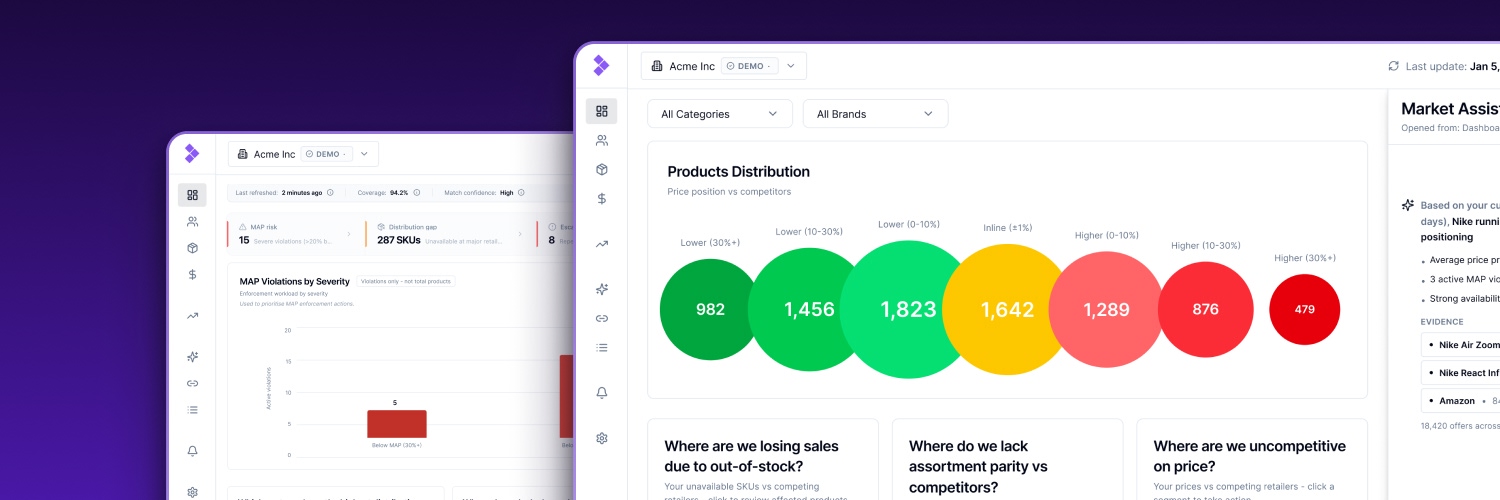
Import.io Aperture

What Is Web Data Extraction?

Web data extraction (often called web scraping) is the process of automatically collecting publicly available information from websites and converting it into structured datasets.

Rather than manually copying information page by page, automated tools can extract data such as:

  • Product prices
  • Product descriptions and specifications
  • Inventory availability
  • Customer reviews
  • Search rankings
  • Advertising keywords
  • Social media activity

With the scale of online data continuing to grow rapidly, automation is the only practical way to monitor competitors consistently.

Key Areas to Analyze in a Competitor Audit

A comprehensive competitor analysis typically looks at several areas of business strategy.

Here are some of the most valuable sources of insight.

1. Analyze Their SEO Strategy

Search visibility is one of the biggest drivers of ecommerce traffic.

By analyzing competitor websites, you can identify:

  • Keywords they rank for
  • Content topics they prioritize
  • Landing pages driving organic traffic
  • Gaps in their SEO strategy

Understanding where competitors succeed, and where they struggle, can reveal opportunities for your own search strategy.

2. Study Their Advertising Strategy

Competitor advertising can provide valuable clues about what messaging and keywords perform well in your market.

By reviewing competitors’ paid search and display campaigns, you can uncover:

  • Keywords they bid on
  • Ad copy and promotional messaging
  • Seasonal campaign patterns
  • Landing page offers

This insight can help refine your own campaigns and avoid expensive trial-and-error testing.

3. Monitor Product Pricing

Pricing intelligence is one of the most important elements of competitor analysis.

Consumers can compare prices across dozens of retailers in seconds. If your pricing strategy isn’t aligned with the market, sales can drop quickly.
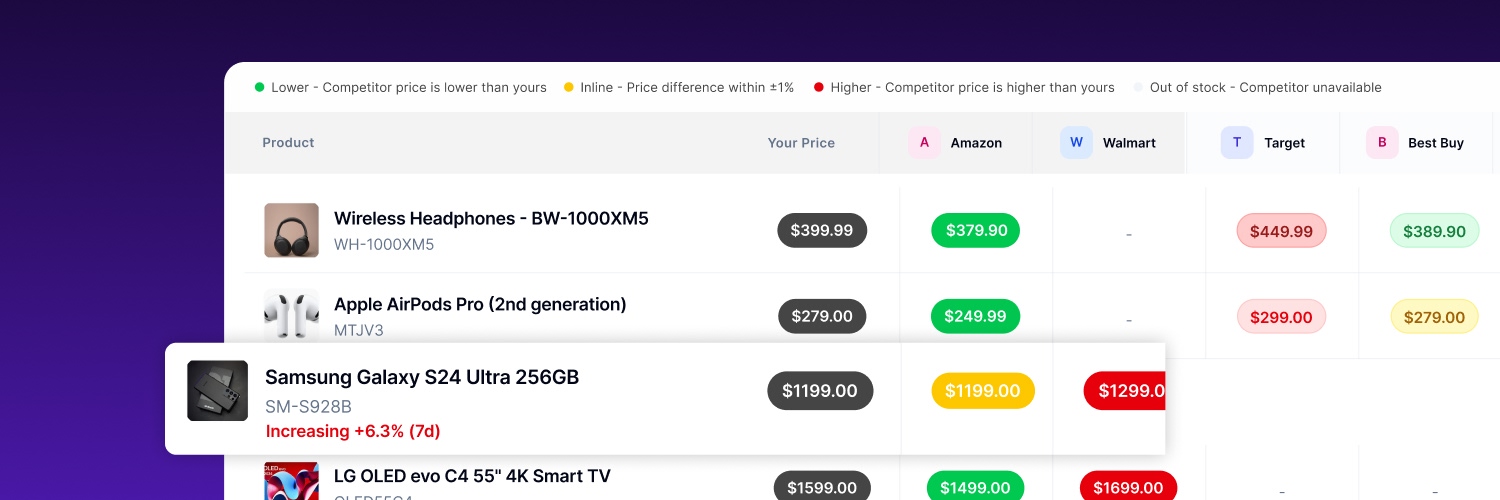
Import.io Aperture example

Monitoring competitor prices helps businesses understand:

  • Real-time price changes
  • Discount patterns and flash sales
  • Bundled offers
  • Market positioning

Tools like Import.io Aperture automate this process by continuously tracking competitor pricing and availability across multiple retailers, allowing companies to respond quickly to market changes.

4. Analyze Product Assortments

Competitor product catalogs reveal a great deal about market trends.

By analyzing product listings, categories, and features, businesses can identify:

  • New product launches
  • Emerging trends
  • Category expansion strategies
  • Popular product bundles

Tracking these patterns helps companies adapt their own product strategies more effectively.

5. Analyze Customer Reviews

Customer feedback can reveal strengths and weaknesses that competitors may not openly highlight.

By analyzing reviews across marketplaces, forums, and social media, businesses can discover:

  • What customers love about competitors’ products
  • Common complaints or pain points
  • Product features customers value most

This type of insight can help improve product design, messaging, and customer experience.

6. Study Social Media Activity

Social media provides insight into how competitors communicate with their audience.

Important signals include:

  • Posting frequency
  • Engagement levels
  • Promotional campaigns
  • Influencer partnerships
  • Customer interactions

Monitoring these activities can help inform your own social media strategy.

7. Track Funding and Market Signals

For startups and fast-growing companies, funding announcements can reveal strategic direction.

Sources such as Crunchbase and industry news often highlight:

  • Funding rounds
  • Investor backing
  • Expansion plans
  • New product launches

These signals often indicate where competitors will focus next.

Competitor Analysis Is Easier Than Ever

There has never been more information available about competitors, and never better tools to analyze it.

Modern web data platforms allow businesses to collect competitor insights automatically, transforming what used to be manual research into continuous market intelligence.

With platforms like Import.io and specialized tools such as Import.io Aperture, companies can now monitor competitor pricing, products, and market trends at scale, without maintaining scraping infrastructure.

The result is faster insights, better strategic decisions, and a stronger competitive position.

Because in today’s digital economy, understanding your competitors isn’t optional, it’s a key part of winning the market.

Keeping a close eye on your competition has always been important in business. In 2026, it’s essential.

Markets move faster than ever. Competitors launch new products overnight, change prices daily, and experiment constantly with promotions, content, and advertising. If you only analyze your own internal data, you’re missing half the picture.

That’s why modern companies rely on web data to understand what competitors are doing and how the market is shifting around them.

For ecommerce companies in particular, competitor analysis powered by web data is one of the most effective ways to stay competitive. But the same approach can be applied across industries—from travel and finance to SaaS and consumer goods.

The good news? While competitor analysis used to require manual research and complicated scraping infrastructure, today it’s far easier thanks to modern data platforms.

From Manual Scraping to Modern Web Data Intelligence

In the early days of web scraping, competitor analysis often meant building custom scripts, maintaining scraping infrastructure, and manually analyzing spreadsheets.

That approach was time-consuming, fragile, and difficult to scale.

Today, tools have evolved significantly.

Platforms like Import.io allow businesses to automatically extract structured data from websites without building or maintaining scrapers. Companies can monitor competitor websites, marketplaces, and product listings at scale and integrate that data directly into analytics and pricing workflows.

Even more recently, new tools such as Import.io Aperture have made competitor intelligence even easier.

Aperture focuses specifically on competitive pricing and market monitoring, allowing businesses to track competitor prices, product availability, assortment changes, and promotions across multiple retailers, without managing scraping infrastructure at all.

Instead of manually collecting data, teams can now focus on what really matters: analyzing insights and improving strategy.

Import.io Aperture

What Is Web Data Extraction?

Web data extraction (often called web scraping) is the process of automatically collecting publicly available information from websites and converting it into structured datasets.

Rather than manually copying information page by page, automated tools can extract data such as:

  • Product prices
  • Product descriptions and specifications
  • Inventory availability
  • Customer reviews
  • Search rankings
  • Advertising keywords
  • Social media activity

With the scale of online data continuing to grow rapidly, automation is the only practical way to monitor competitors consistently.

Key Areas to Analyze in a Competitor Audit

A comprehensive competitor analysis typically looks at several areas of business strategy.

Here are some of the most valuable sources of insight.

1. Analyze Their SEO Strategy

Search visibility is one of the biggest drivers of ecommerce traffic.

By analyzing competitor websites, you can identify:

  • Keywords they rank for
  • Content topics they prioritize
  • Landing pages driving organic traffic
  • Gaps in their SEO strategy

Understanding where competitors succeed, and where they struggle, can reveal opportunities for your own search strategy.

2. Study Their Advertising Strategy

Competitor advertising can provide valuable clues about what messaging and keywords perform well in your market.

By reviewing competitors’ paid search and display campaigns, you can uncover:

  • Keywords they bid on
  • Ad copy and promotional messaging
  • Seasonal campaign patterns
  • Landing page offers

This insight can help refine your own campaigns and avoid expensive trial-and-error testing.

3. Monitor Product Pricing

Pricing intelligence is one of the most important elements of competitor analysis.

Consumers can compare prices across dozens of retailers in seconds. If your pricing strategy isn’t aligned with the market, sales can drop quickly.

Import.io Aperture example

Monitoring competitor prices helps businesses understand:

  • Real-time price changes
  • Discount patterns and flash sales
  • Bundled offers
  • Market positioning

Tools like Import.io Aperture automate this process by continuously tracking competitor pricing and availability across multiple retailers, allowing companies to respond quickly to market changes.

4. Analyze Product Assortments

Competitor product catalogs reveal a great deal about market trends.

By analyzing product listings, categories, and features, businesses can identify:

  • New product launches
  • Emerging trends
  • Category expansion strategies
  • Popular product bundles

Tracking these patterns helps companies adapt their own product strategies more effectively.

5. Analyze Customer Reviews

Customer feedback can reveal strengths and weaknesses that competitors may not openly highlight.

By analyzing reviews across marketplaces, forums, and social media, businesses can discover:

  • What customers love about competitors’ products
  • Common complaints or pain points
  • Product features customers value most

This type of insight can help improve product design, messaging, and customer experience.

6. Study Social Media Activity

Social media provides insight into how competitors communicate with their audience.

Important signals include:

  • Posting frequency
  • Engagement levels
  • Promotional campaigns
  • Influencer partnerships
  • Customer interactions

Monitoring these activities can help inform your own social media strategy.

7. Track Funding and Market Signals

For startups and fast-growing companies, funding announcements can reveal strategic direction.

Sources such as Crunchbase and industry news often highlight:

  • Funding rounds
  • Investor backing
  • Expansion plans
  • New product launches

These signals often indicate where competitors will focus next.

Competitor Analysis Is Easier Than Ever

There has never been more information available about competitors, and never better tools to analyze it.

Modern web data platforms allow businesses to collect competitor insights automatically, transforming what used to be manual research into continuous market intelligence.

With platforms like Import.io and specialized tools such as Import.io Aperture, companies can now monitor competitor pricing, products, and market trends at scale, without maintaining scraping infrastructure.

The result is faster insights, better strategic decisions, and a stronger competitive position.

Because in today’s digital economy, understanding your competitors isn’t optional, it’s a key part of winning the market.

bg effect